Meet Antonio Mele Fall 2022 Beyond the PhD Campus Ambassador

I am passionate about lifestyle medicine and translating advances in precision medicine into specific disease treatments and preventative strategies. As an aspiring Genetic Counselor, I seek to uphold the privilege of creating a scientifically informed and personalized healthcare experience, being there for others in their times of utmost need and vulnerability. I first discovered Genetic Counseling through Beyond the PhD’s Career Discovery Seminar series. Jennifer Stroop, MS, CGC, did an excellent job showcasing the field of Genetic Counseling. After attending this seminar, I felt drawn towards this career, and had a greater understanding of how to become a Genetic Counselor, and of the numerous employment avenues within the field. Since then, I have attended many case conferences and have done a few informational interviews with Genetic Counselors.

My desire to improve the healthspan and lifespan of others has fueled my academic development in the sciences, my experiential learning in the laboratory, and my unwavering dedication to living a healthy lifestyle.

My passion for wellbeing began in 2018 when I started my undergraduate degree at the University of Central Florida (UCF). While there, I discovered my deep interest for nutrition, genetics, and molecular biology. During my time as an undergraduate I had the opportunity to work in multiple molecular biology research labs, where I learned valuable skills including how to independently plan, execute, and interpret an experiment. I was also fortunate enough to have great Principal Investigators that cared about my development as a scientist and science communicator. Thanks to my mentors and funding from Student Government, I have presented my research in poster format at several local, national, and international conferences.

Antonio Mele

Since graduating with my Bachelor of Science in Biomedical Sciences in 2021, I have returned to UCF to study Clinical Psychology. My goal in doing so is to expand my knowledge of the psychosocial aspect of disease management. In addition to taking classes, I work full-time as the Lead Teaching Assistant for Quantitative Biological Methods, and I volunteer as a Crisis Counselor with Crisis Text Line. I believe that all my experiences to date have positioned me to become a competent and empathetic healthcare professional.

Beyond the PhD’s Ambassador Program has opened my eyes to the wide variety of roles that a Genetic Counselor can fill, as well as other non-traditional careers in STEM. As a Campus Ambassador, I seek to raise awareness of non-conventional career opportunities in STEM-based fields and to connect trainees with established professionals.

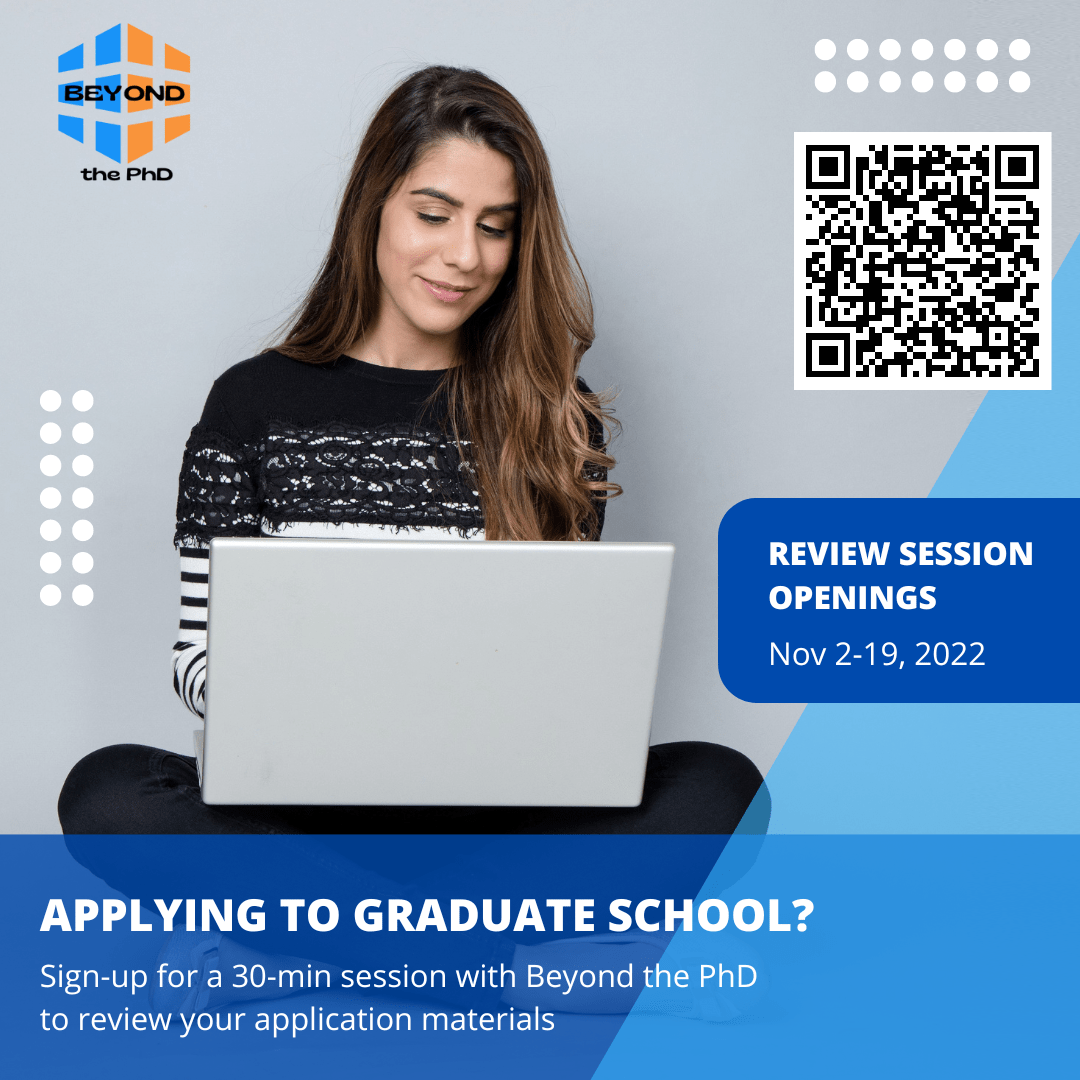
Applying to Graduate School?

Are you or do you know someone that is applying for graduate school? Schedule a 30-minute call with one of the Beyond the PhD team members to review your application materials. Materials that may be reviewed include CV, resume, and personal statements. Or, if you would like to practice interviewing please also schedule a session. Sessions will be available from November 2-18, 2022 during normal business hours. Please email us (2phdandbeyond@gmail.com) if you have any questions.

Sign up for a session here: https://calendly.com/2phdandbeyond/30min?month=2022-11

Clinical Career Tracks for PhDs

Beyond the PhD recently hosted Ria Fyfffe-Freil who came to talk about non-traditional clinical careers for those with science PhDs. Ria is a Clinical Chemistry Fellow at the Mayo Clinic in Rochester Minnesota. She talked about her career trajectory and options for people interested in non-academic tracks. Ria took the time to discuss how to become a clinical chemist, a day in the life in her current job, and career prospects for those interested in clinical chemistry.   

Ria started her talk by explaining how she navigated career exploration while pursuing a PhD in Molecular Physiology and Genetics at Virginia Commonwealth University. Although she had a supportive advisor, he did not know much about career advice for non-academic tracks. Ria started by filling out an individual development plan (IDP) which is a concept that is commonly used in industry to help employees define and pursue their career goals. The IDP contains exercises to help you examine you skills, interests, and values. It contains a list of career paths with a prediction of which ones best fit your skills and interests. It also has tools for setting strategic goals as well as other resources to help you with career exploration. You can find out more about the IPD at https://myidp.sciencecareers.org/. After completing the IDP each year during her PhD, Ria came across a job suggestion of scientific and medical testing. Clincal chemistry is a large part of scientific and medical testing, and Ria read up more on this option. After learning about this role, Ria chose to pursue it after her PhD.

Ria continued her talk by explaining more about clinical chemistry and the training programs that are available in this field. Clinical chemistry is the study of bodily fluids for therapeutic and diagnostic purposes. It allows you to apply your biomedical and science knowledge to patients in the clinic to help diagnose and monitor disease. Those with PhDs and training in clinical chemistry can works as laboratory directors in a variety of clinical settings. There are also bachelors and masters degree options for clinical lab scientists who perform similar job functions and work in clinical labs.

Ria is currently a clinical chemistry fellow at the Mayo Clinic. The Mayo Clinic Laboratories offers over 3500 tests to internal and external patients with 1600 of those being lab developed tests (LDTs). These are tests that are not FDA approved, but were pioneered, developed, and validated at the Mayo Clinic. Being a clinical chemist allows you to have a diverse knowledge base about a variety of analytes, test methodologies, pathophysiologies, and disease processes. One skill that is important to have and that you develop during your PhD is clinical thinking. Since clinical chemistry is a field where you must have a diverse knowledge base and deal with many diseases and analyses, critical thinking is a skill that is essential for someone who wants to be a clinical chemist.

Next, the structure of a clinical chemistry fellowship was discussed. A typical fellowship is two years. The first year consists of rotating through the various labs in the program and learning about clinical chemistry. At the Mayo Clinic there are 16 labs to rotate in, but most of the time is spent in the core lab or the hospital lab which see the most tests by volume. Students may also conduct projects and have research weeks. There are also courses on leadership and management available at the Mayo Clinic program. Another thing to consider is that trainees are required to be on call and take clinical calls from physicians of providers. Physicians may call to discuss specimen integrity, critical values, erratic results, interpretation, and other miscellaneous things.

The second year of the fellowship is more focused on preparing trainees to act as a lab director. During the second year, trainees may also support fist year fellows and perform other clinical duties. If you are interested in clinical chemistry there are a number of programs you can apply to. Currently there are 34 accredited programs on the Commission on Accreditation in Clinical Chemistry (COMACC) website which can be found at https://comacc.org/. Most of these programs are at large academic medical centers and many only take 1 student annually or bi-annually. They programs can vary and there may be differences in the learning and rotation structure, responsibilities, publication expectation, board prep time, and desired skill sets. The end goal of most programs is to prepare fellows to take boards at become certified by the American Board of Clinical Chemistry (ABCC) or National Registry of Certified Chemists (NRCC). There are also a variety of societies for clinical chemistry and clinical laboratory sciences such as The American Society for Clinical Laboratory Science (ASCLA) where you can learn more about the field.

Ria also covered what a day in the life is like for clinical chemists. She typically has an 8 am – 5 pm work day and is allowed to work from home one day per week. She has a relatively flexible but busy schedule. Her day is filled with things such as attending lectures, working in the lab, learning new techniques, seminars, afternoon didactics, grand rounds, leadership and development meetings, taking clinical calls, writing, and study time.

Ria concluded her talk by talking about career prospects in clinical chemistry as what you can do as a clinical chemist. In this field you have the ability to work in a variety settings such as academic medical centers, hospitals and health systems, private practices, industry labs such as Quest, reference labs, or as a consultant. The number of jobs in this field is growing and there is a demand for those working in laboratory medicine. Although you can look for jobs through online job boards such as https://careercenter.aacc.org/, Ria had good success tapping her network to find job opportunities. The median salary for someone starting as a clinical chemist is $140,000 to $149,000 per year. Additional salary information can be found at https://pubmed.ncbi.nlm.nih.gov/34427677/

If you want to watch the full recording of Ria’s career seminar about becoming a clinical chemist, you can find it at https://www.youtube.com/watch?v=bX9SaWvCJQ8&t=2392s.

Confessions of a Perpetual Student

If you had told me when I was in high school that I would be studying well into my thirties, I would have laughed, told you it was preposterous, and gone back to watching whichever sport was on TV at that moment. Fast-forward 15 years, and not much has changed. I am still in school and follow too many sports for my good. I am older, but certainly not wiser.

One of my earliest memories is of a 5-year-old me covered in frog spawn, proudly holding a bottle full of tadpoles. I had let my sister talk me into getting into the pond to capture said tadpoles so we could watch them grow into frogs. I let my sister talk me into doing many questionable things, but in her defense, it did not take a lot of convincing. For as long as I can remember, I have loved science.  So, when the time came to choose what I wanted to do with my life, I picked pharmacy school over my passion for baking and a career as a pastry chef. It was a rational and well-thought-out decision (or so I told myself), and I have not regretted it (yet). To cut a very long story short, I got my undergraduate degree in pharmacy, a master’s degree in pharmacology, and worked in the biotech industry for three years before starting graduate school again. Have there been days when I have asked myself why I left a decent paying job in the industry to do the same amount of work for less than half the pay? Absolutely. Those are the days when I am absolutely, positively certain that I want to move as far away from academia as possible. While there are certain aspects of academia I love, I am glad I spent time in the industry to know the kind of environment that is right for me as a scientist. Academia has freedom. Industry has structure. And as much as I love the freedom to explore, I miss the rigid confines of the industry. Do not get me wrong. I enjoy being a student- you try, you fail, you learn, you try again, you fail again, and you are overjoyed when you finally have a result that is not a complete failure. You learn to own your failures as much as you own your successes. What I love most about science is that it has all the answers- you just need to ask the right questions. As scientists, we know exponentially less than what we do not know. And as a graduate student, you have the opportunity to glimpse into this unknown world and drown yourself exploring multiple potential hypotheses. But like any adventure, you encounter unexpected obstacles. Some obstacles are worth clearing. Others, not so much. And it is this journey, a journey that involves clearing countless obstacles thrown your way that molds you into a better scientist. So far, it has been a wonderful, taxing journey, and while it may not seem that way on certain days, I am truly grateful to be on this journey, exploring an area of research that I love, with an extremely supportive mentor.  

And if I ever get tired of this journey a.k.a. doing science, there is always plan B- open my little bookstore café somewhere in New Zealand and live like a hobbit, eating two breakfasts everyday while preparing for a different kind of adventure.

Written by Deepa Anjan Kumar

Meet Trinitee Oliver Fall 2022 Campus Ambassador

Trinitee Oliver is a Biology major with a Journalism minor at Howard University. She is passionate about biomedical research, eradicating health disparities, and enhancing scientific communication. When she is not in a lab, she can be found gardening, practicing yoga, or writing to inform about health and science.

I have always found biomedical science intriguing. In high school, I had a summer internship with Kaiser Permanente where I shadowed a rheumatologist. One of his patients said her broken skin was the worst complication of her car accident. When she left the office, he explained the pathology of systemic sclerosis (or scleroderma) and how she, as a black woman, is in the majority of his most complex patients. This ignited my interest in exploring treatment for autoimmune diseases.

Before the Karsh STEM Scholars Program introduced me to the possibility of a research career, I thought I wanted to be a pediatrician. Many diseases affect children differently and therefore, we need specialists who are also adolescent health advocates. Now that I am an aspiring researcher, these goals have not changed. There is limited research about the effects of some illnesses and medicines in children. Furthermore, gender, ethnic, and income statuses create health disparities that impact children and their parents access to adequate health services. My passion to learn how to address these issues drove me to apply for Biomedical Science PhD programs this fall. I am excited to further my knowledge to help underserved groups. Along the way, I will explore if there is a reason to personalize treatments to the underlying biological mechanisms related to age, gender, and/or ethnicity.

I am currently a senior Biology major with Chemistry and Journalism minors at Howard University. I aspire to become both a biomedical scientist and health communicator to address global health disparities. This past summer, I was selected for a NIMHD-funded Minority Health Research Training Program awarded by the University of Hawaii at Manoa. Although I was unable to travel on-site or globally as the program designed, I conducted an HIV research project locally in DC with the Ghosh Lab at George Washington University. My continuous research is with the Heier Lab in the Center for Genetic Medicine Research at Children’s National Hospital where I explore drug pathways and efficacy for genetic muscular diseases in children. Outside of the lab, I am also the Director of Acquisition Editors for Ukweli (Howard University’s Undergraduate Research Journal), a LEAF Youth Program Educator at Common Good City Farm, a freelancer with the Washington Parent Magazine, and a writer for my own blog. My overall goals are to improve communities with my passion for science, communication, and mentorship. This is what drew me to become a campus ambassador for Beyond the PhD.

In this program, I hope to learn more about career opportunities that combine all of my interests and share this information with others. I am genuinely excited to work with the team as they seem to be very inspirational individuals. My journey is just beginning and I cannot wait to share what I learn throughout the semester!

This article was written by Trinity Oliver.

What is Your Brand?

Join us on September 8 and 15 for this exciting new 2-part workshop led by Amy Aines. Amy is the Founder of Talking STEM- Building Vital Communication Skills to Launch Successful Career and has a website championingscience.com with great resources! The Beyond the PhD team attended a similar workshop series last fall with Amy. Amy truly stunned us with her calm demeanor and valuable insights to the professional world of networking and communication. As a result, we immediately made plans to bring her expertise to the Beyond the PhD Community. If you are a graduate student, postdoc, or alike and you are considering changing your career or switching positions …this workshop is for you!

In this 2-part workshop attendees will learn how to promote themselves on social media and during the job application process, how to conduct informational interviews, and how to prepare for interviews. Amy has created these interactive workshops with here decades of experience working with and teaching STEM graduates and early career professionals’ vital communication methods for effectively championing their ideas and building support for their work. She also teaches essential success skills for the workplace that most scientists, technologists, engineers, and mathematicians didn’t learn in graduate school.

Don’t miss out on this incredible opportunity to up your game during your next career transition. Or if you are just starting to think about your next career move, Amy will help you bolster your professional social media presence to expand your network.

As an attendee, you will also gain access to our slack channel to complete exercises and review resources that will help you on your career journey. Register today and don’t miss out! Amy has a lot of valuable insights and experience that just may help you land your perfect job and new career. We look
forward to seeing you!


https://www.eventbrite.com/e/building-your-brand-workshop-tickets-391975668777

10 Networking Tips and Tricks: Speed Networking Addition

If you are looking for an opporuntity to practice your skills and grow your network, join us on October 20th at “Pitching Yourself as a Scientist” at the University of Connecticut Health campus in Farmington, CT. This event is for gradaute students in science and biotech fields to meet with professionals in industry and academia. More information about the event can be found here.

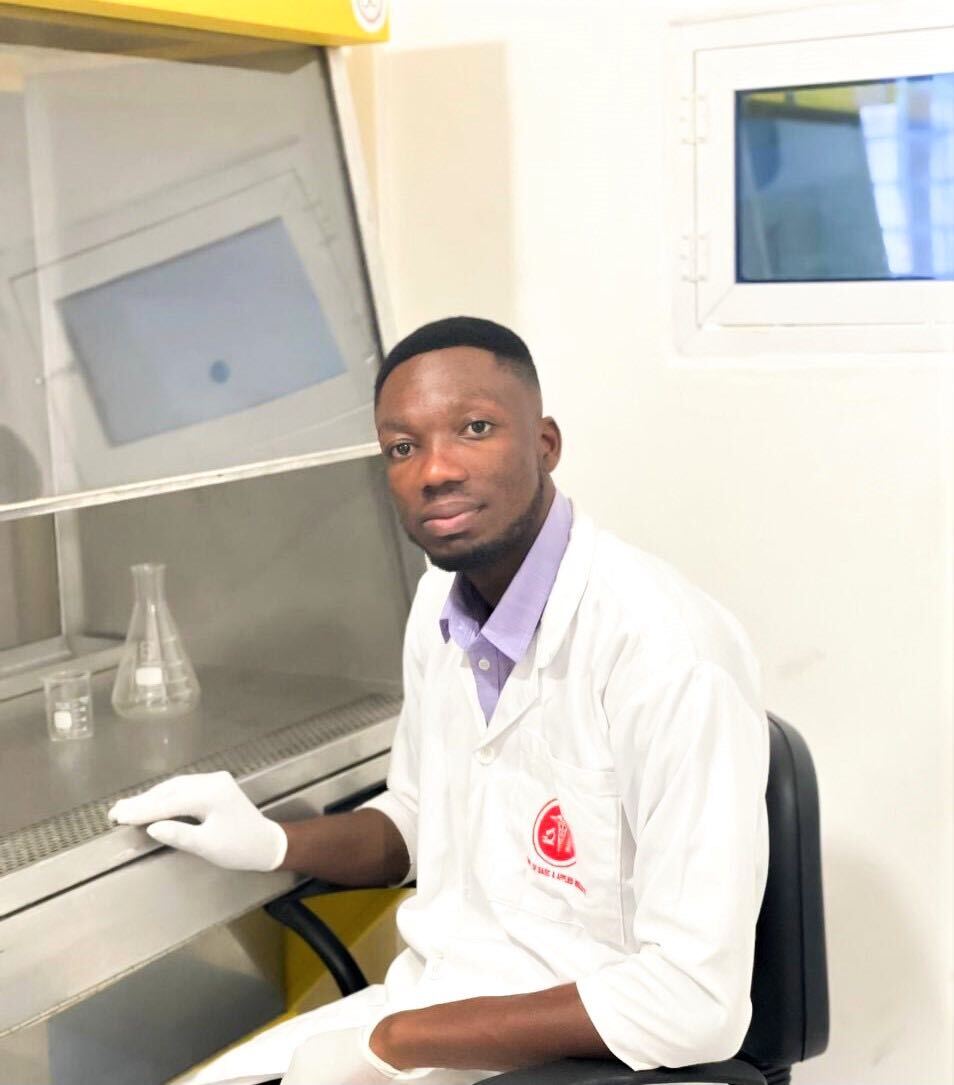
WHAT ACTUALLY SPARKED MY INTEREST TO JOIN BEYOND THE PhD’s AMBASSADOR PROGRAM?

I always wanted to be a doctor because of how I was cared for, treated, and loved by a professional medical doctor who operated on me when I was six years old. However, due to a lack of guidance and financial resources, I was unable to pursue a medical education after completing high school. Alternatively, I chose to study Biological Sciences at the University of Energy and Natural Resources (UENR), Ghana.

During university, I developed an interest in studying microbiology after taking a first-year course on general microbiology. In this course, I was fascinated by the depth of knowledge and creativity demonstrated by Louis Pasteur to resolve the great controversy (‘theory of spontaneous generation’) that existed among the early scientists. The originality and replicability of his approach and methodology were astounding, and this exposure inspired me to also advance my knowledge in the discipline of microbiology. Remarkably, it happens to be one of the most rewarding professions because it allows practitioners to interact with all other natural sciences and, thus, contribute in diverse ways to the betterment of human life. It is obvious that, recurrently, new infectious diseases are arising and old diseases are once again becoming widespread and destructive. It is microbiologists that must find ways to stop the spread of established infectious diseases and the occurrence of novel infectious diseases, and I hope to contribute to this valuable work both now and in future careers.

For my undergraduate dissertation, I contributed to the UN’s SDG target 6.1, which aims to achieve “universal and equitable access to safe and affordable drinking water for all” by 2030. I investigated the microbiological quality of drinking water samples from a community in Ghana that has a history of waterborne disease outbreaks. The intention of this work was to monitor the quality of drinking water in the community in order to prevent the reoccurrence of an outbreak. This study resulted in the isolation and identification of multiple antibiotic-resistant bacterial strains. My main concern with these findings was the health risks that these strains could pose to the community’s residents. As a result, I want to acquire further knowledge and understanding of how such resistant strains interact with their hosts and the transmission and evolution of antibiotic resistance genes using cutting-edge molecular techniques.

I completed my 4-year Biological Science studies in October 2021 and I am currently doing my mandatory National Service as a research and teaching assistant at the Center for Research in Applied Biology (CeRAB) and Department of Basic and Applied Biology, UENR. At both places, I assist research fellows and undergraduate students in their research projects, and by so doing, I have acquired extra knowledge of the methodology and tools used in molecular microbiology research. Most importantly, I also organize tutorials on General Microbiology, Bacteriology, and Virology for Biological Science, Medical Laboratory Science, and Nursing students at all levels. Hence, my objective to join Beyond the PhD’s ambassador program is very simple and that is, I enthusiastically seek to be mentored and augment my personal abilities in order to provide career guidance and impact the lives of many, including peers and junior members.

After attending several seminars organized by this vision-rich group, I am highly motivated and convinced that, over time, I will be equipped with the skills necessary to potently influence and impact others. Again, I am confident that my goal of becoming an efficient and established microbiologist will be accomplished.

-Written by Rabbi Coffie Baidoo

Demystifying the Genome: A Career in Genomic Education

Beyond the PhD recently had the pleasure of hosting Dr. Emaly Piecuch as a part of our Career Discovery Seminar Series. Dr. Piecuch is currently employed as a genomic educator at the Jackson Laboratory (JAX) in Bar Harbor, ME. Her educational background includes earning a  BS in Cell, Molecular, and Developmental Biology from Purdue University followed by doctoral training at the University of Connecticut, which she completed in 2019. During graduate school, she engaged in unique teaching opportunities like teaching science to eighth graders. She was able to leverage these experiences to pursue a career in science education.

Dr. Piecuch began her seminar by elaborating on her role as a genomic educator at JAX, where she is mainly involved in developing courses for a wide variety of students ranging from second graders to undergraduates. She first talked about her involvement in “Teaching the Genome Generation (TTGG)” TTGG is a high school professional development program that has been implemented by JAX for over a decade and is funded by the NIH under a grant-based science education program known as SEPA (Science Education Partnership Award).  TTGG aims to bridge gaps in knowledge in genetics and genomics among high school teachers and students in New England. High school teachers from across the New England region are provided a short residential training in the TTGG curriculum as well as basic laboratory techniques such as pipetting. They are then provided with teaching materials that contain saliva collection kits, reagents for PCR (polymerase chain reaction), and guided instructions for DNA sequence analysis. Other components of the coursework include tutorials for bioinformatic analysis as well as a comprehensive bioethics curriculum designed in conjunction with the Personal Genetics Education Project (pgEd) which is based out of Harvard University. She is also involved in performing quality control for the teaching kits where her skills in molecular biology prove handy. Additionally, she is able to utilize the data analysis skills that were developed over the years as a graduate student to statistically analyze the impact of TTGG which has an impressive reach of over 17,500 students since 2015.

Another important aspect of her role is course and content development at JAX. She provided the example of a case study developed for mitigating uncertainties around COVID-19 testing during the pandemic which was successfully approved by the National Center For

Case Study Teaching in Science (NCCSTS,https://www.nsta.org/ncss-case-study/power-test). She also briefly talked about a mini-course in cancer genomics for undergraduate students developed due to insufficient coverage of this topic in undergraduate syllabi across the country. She was involved in other ventures at JAX such as the Open House (https://www.jax.org/education-and-learning/high-school-students-and-undergraduates/virtual-open-house)and the Genetics Learning Resources (https://www.jax.org/education-and-learning/high-school-students-and-undergraduates/teaching-the-genome-generation/stem-learning-resources) to improve virtual engagement during the COVID-19 pandemic.

 Pro tip – The SEPA website (https://nihsepa.org) can be used as a resource to look for science education jobs available in different states based on the projects funded in these regions and directly reach out to people involved in these programs.

 If you are interested in exploring this career option, you can contact Dr. Emaly Piecuch via email at emaly.piecuch@jax.org or Linkedin (https://www.linkedin.com/in/dremalyjpiecuch). You can also access the video recording of Dr. Piecuch’s seminar on Youtube (https://www.youtube.com/watch?v=QHRUPsn58ZE).

Being a Mentor During Grad School

A few weeks ago, Beyond the PhD shared an article on how to find quality mentors to help shape and drive your professional development (read it here). Now, we want to dive a little deeper on the other side of mentorship: how to be a quality mentor. You might be a little hesitant to classify yourself as a mentor, especially if you are still a student or early in your career. However, there are plenty of scientists who can benefit from your valuable knowledge and guidance at your current stage.

I have been very fortunate at this stage in my PhD to have mentored a number of undergraduate students in the research lab and through teaching, and I know from their feedback that I had a positive role in their formation as scientists and professional development. However, this was not always the case. I learned how to be a mentor through trial and error, and there definitely has been error. After gathering input from colleagues and reflecting on my own mentoring experiences, I’ve put together some advice on how to be a quality mentor during grad school, or at any stage of your career.

Ask what they would like to gain/learn from you. As one colleague points out, “being a mentor during your PhD can take many different shapes and forms. I’ve learned that sometimes you’ll have the opportunity to instruct lab techs or post-docs, other PhD students, or even sometimes other PI’s, in addition to the classic example of undergrads. During these times, it brings to light the collaborative aspect of science and truly aides in honing science communication skills.” Since each mentor-mentee relationship is different, the purpose or goal is also going to differ. It is important to initiate the conversation about how the mentee would like to benefit from the mentorship so that you can better serve them and yourself.

Check in with mentees. While most of the time the mentee should initiate contact and be proactive in developing the relationship, it is also the role of the mentor to check in from time to time. This contact can be a follow up on advice given in the last meeting or simply a check in to let them know you are available. These types of communication will make your mentee more comfortable with you and likely further develop the mentorship so that both parties can benefit.

Set boundaries on your time so you do not burn out. Often, when we are looking to be helpful to another, we stretch ourselves too thin by over committing. In the role of a mentor, your mentee may ask you to edit writing samples, sit down to work through future career directions or project ideas, or help them connect to others in a specific area. All of these will build up not only their development, but potentially benefit you by exercising certain skills needed for each task. However, when you offer your time freely, it not only drains you but also can interfere with your performance quality. One of the biggest mistakes I made when I first started mentoring students was my tendency to say yes to everything, even when I was overloaded with my own work. Now, I am sure to set clear boundaries and expectations for timelines or meetings.  

Draw from experience on what you needed from your mentors at that stage. First time mentors, and even experienced ones, can sometimes feel a little lost on the best next steps. Even when you don’t have the perfect answer or advice, you can always remember back to what worked, and what didn’t, when you sought advice from mentors at certain stages and the advice they gave you. Use this as a base and make changes that are mentee-specific to best help.

Don’t compare your mentee’s progress to your own. Everyone has their own path and timeline, and you shouldn’t directly compare yourself or others to the journey your mentee is on. Comparison can often lead to discouragement from your mentee’s goals and set them back. Take the time to understand the path they are on and think about how you can guide them on their current path, not just push them onto the one you took.

Mentorship can be a beneficial experience for the mentor. As touched on in some of the other advice, mentorship doesn’t just benefit the mentee. Personally, I feel a lot of joy when students I have mentored in the lab and classroom are successful. It is great to share insight that I have gained when it comes to career prospects, grad school applications, project directions, and personal development. Through mentoring, I’ve been able to sharpen my own skills such as project management, time management, reviewing, editing, and offering constructive criticism. Due to the many benefits of mentoring, I look forward to continuing to mentor students in more capacities in the future. 

Mentor testimonials:

“It was important to me as a PhD student to take on these trainees to show them techniques beyond the scope of their project so they can learn a breadth or at least be introduced to as much content during their lab experience as possible. Going above and beyond the call of bench work by mentoring students was rewarding even if it did make somedays longer than they would have been. I felt it was important to give back to the upcoming classes of graduate students and to prepare them in ways I felt that I would have wanted as a student.” -Britt Knight

“I feel passionately about our duty to be mentors to the general public and to break down the barriers that makes science inaccessible to various groups. As such, I am heavily involved with a group called the Young Explorers in Science (YES). We work with local schools to have graduate students present to school aged kids about all kinds of science topics – from marine life in the Connecticut river to the science behind vaccines to animal models in research, we try to cover it all. I also think in a way, being a part of Beyond the PhD has allowed me to be somewhat of a mentor to my peers by filling a need for career guidance and bringing to light career opportunities.” -Rachel Gilmore